

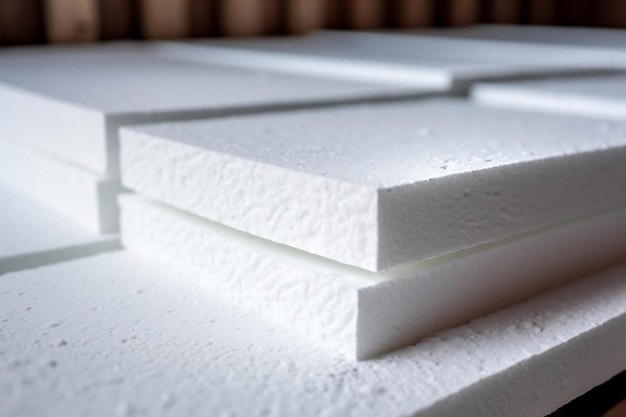
Packaging foams have a variety of applications in various industries due to their characteristics such as lightness, flexibility, shock resistance, thermal and acoustic insulation, and moisture resistance. These foams, which are usually produced from various materials such as expanded polystyrene (EPS), polyethylene, and polyurethane, are known as an ideal choice for packaging various goods. The following are the most important applications of packaging foams.
Packaging foams have a variety of applications in various industries due to their characteristics such as lightness, flexibility, shockproof properties, thermal and acoustic insulation, and moisture resistance. These foams, which are usually produced from various materials such as expanded polystyrene (EPS), polyethylene, and polyurethane, are known as an ideal choice for packaging various goods. The following are the most important applications of packaging foams:
Packaging of fragile goods
Packaging foams, especially polystyrene and polyethylene foams, are used to protect fragile goods such as glassware, fragile household appliances, and electronic equipment. These foams effectively prevent damage caused by impact and pressure.
Electronics Industry
One of the main applications of packaging foams is in the electronics industry. These foams can protect electronic equipment such as televisions, laptops, mobile phones, and audio and video equipment from physical damage during transportation.
Pharmaceutical and health product packaging
Packaging foams are used in the pharmaceutical and health industries to protect medicines and care products such as creams and shampoos. These foams prevent damage from impact and pressure and help maintain the quality and health of the products.
Automotive accessories and parts packaging
In the automotive industry, packaging foams are used to protect sensitive car parts, such as windows, lights, and car interior equipment. Foams are also used to prevent possible damage during the transportation of car parts and semi-finished cars.
Furniture industry
Packaging foams are used in the furniture industry to protect home appliances such as refrigerators, washing machines, and furniture. These foams prevent damage to furniture surfaces and edges and can act as an insulator for impacts.
Protecting sports equipment
Packaging foams are used in the sports equipment industry, especially for packaging expensive sports equipment such as balls and fitness equipment. These foams protect against damage caused by impact or pressure.
Food packaging
Packaging foams are sometimes used for food packaging. These foams are especially used for packaging frozen or hot foods and can maintain temperature and prevent moisture penetration.
Cosmetic packaging
Cosmetic products such as perfumes, creams and cosmetics require protective packaging, which packaging foams meet this need. These foams prevent damage to these expensive products during transportation.
Medical Device Care
Packaging foams are used in the medical industry to protect sensitive medical equipment such as imaging devices, surgical equipment, and laboratory supplies. These foams protect medical equipment from damage and prevent the transfer of contamination.
Commercial and Advertising Packaging Industry
In the advertising and commercial industry, packaging foams are used to protect exhibition and advertising equipment such as signs, stands, and other equipment. These foams prevent damage to these equipment during transportation.
Transportation and Storage
Packaging foams are used in the transportation of heavy and sensitive goods. These foams usually have high resistance to pressure, impact, and vibration, and can protect goods from physical damage during transportation or storage.
Construction Industry
Packaging foams are used in the construction industry, especially for packaging building materials such as glass, doors and windows. These foams prevent damage to the materials and also prevent problems during installation.
Thermal and acoustic insulation
Packaging foams, due to their insulating properties, show high resistance to heat and sound. These properties are especially important in packaging that is exposed to specific temperatures and noisy environments.


